 listicle
LCL Shipping Rates for Small Cargo: 2026 Guide
Table of Contents
- What Is LCL Shipping and How LCL Shipping Rates Work
- How LCL Shipping Cost Calculator Tools Work
- Hidden Fees in International Ocean Freight You Must Know
- LCL vs FCL Shipping for Small Business: When to Choose Each
- Factors That Affect LCL Shipping Rates
- Documentation, Insurance, and Incoterms Impact on Your Final Cost
- Getting an Accurate LCL Freight Quote Without Hidden Surprises
- Conclusion
Last Updated: August 11, 2026
What Is LCL Shipping and How LCL Shipping Rates Work
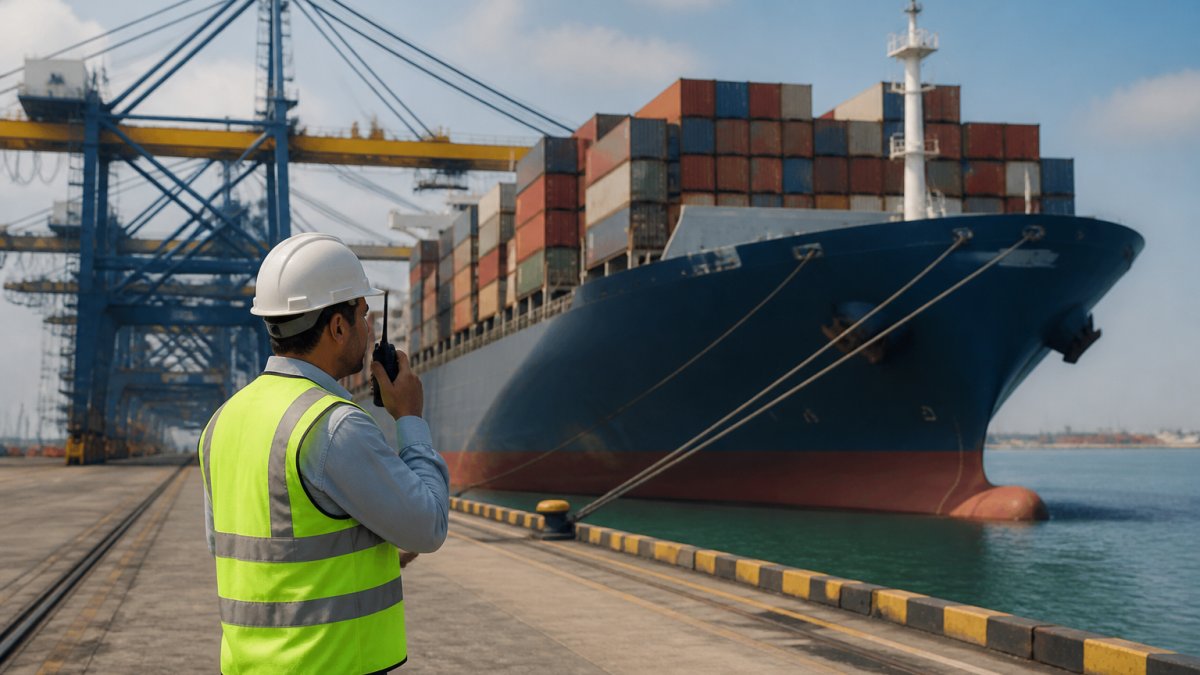
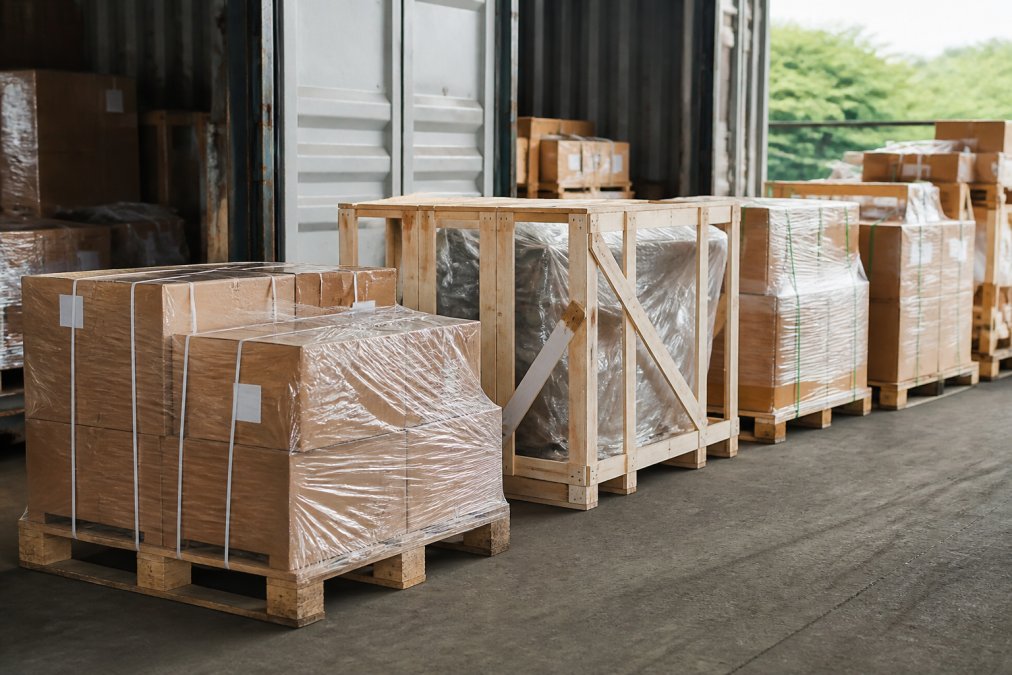
Less-than-Container Load (LCL) shipping consolidates multiple shippers' cargo into a single ocean freight container, where each shipper pays only for the space their goods occupy. Freight forwarders and NVOCCs (Non-Vessel Operating Common Carriers) aggregate smaller shipments at origin ports, pack them into containers, then deconsolidate them at destination ports. This CFS-to-CFS (Container Freight Station to Container Freight Station) handling makes LCL shipping affordable for businesses without enough cargo to fill a container.
The Consolidation Model
Your cargo arrives at a Container Freight Station (CFS) at the origin port, where it's weighed, measured, and assigned a booking reference. The forwarder waits for other shipments heading to the same destination, then books a sailing once enough cargo accumulates. The forwarder generates a master Bill of Lading (the carrier's document) and a house Bill of Lading (your forwarder's document to you).
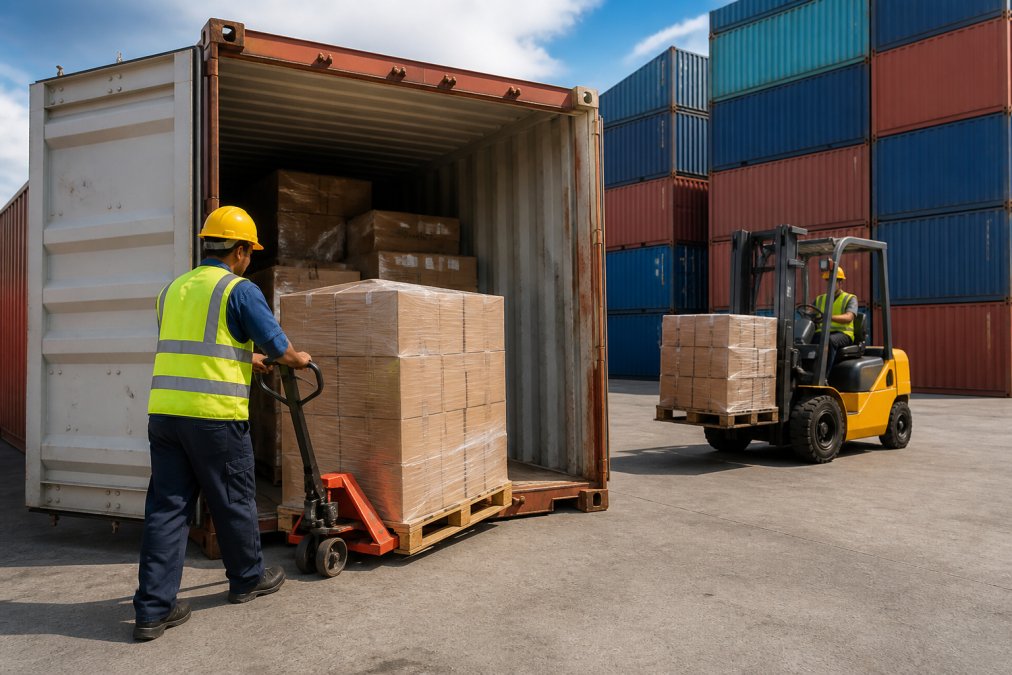
At the destination port, the container is deconsolidated at a CFS, your cargo is separated from others, cleared through customs, and prepared for final delivery. Cost structure depends on how the forwarder allocates shared expenses, some charge a flat per-cubic-meter rate, while others add terminal handling charges, port surcharges, fuel adjustment factors, and documentation fees separately. This is where hidden fees creep in, requiring line-by-line scrutiny when comparing quotes.
Why Rates Vary by Route and Season
LCL shipping rates fluctuate based on supply and demand on specific shipping lanes. Heavily trafficked routes like Shanghai to Los Angeles have consistent consolidations and competitive pricing, while niche routes might have consolidations only twice weekly, meaning longer waits and higher per-cubic-meter costs.
Peak season (August through October) sees higher demand as retailers prepare for holiday inventory, with carriers raising rates and imposing peak season premiums. Off-season (January through March) brings lower rates and faster transit due to less competition for container space. Currency fluctuations and bunker fuel prices also affect rates, oil price spikes increase fuel adjustment factors, and a stronger dollar can shift demand patterns on certain lanes.
How LCL Shipping Cost Calculator Tools Work
An LCL shipping cost calculator estimates freight cost by taking three inputs: origin port, destination port, and cargo volume in cubic meters (CBM). The calculator retrieves historical rate data, applies current fuel adjustment factors and surcharges, then displays an estimated all-in cost within seconds.
Accuracy depends on whether the calculator includes all hidden fees or just the base ocean freight rate. Some show only the carrier's charge, while others include terminal handling, documentation, customs clearance, and insurance. This is why two calculators can show wildly different prices for the same shipment.
Cubic Meter Measurement and Volumetric Weight
Cubic meters (CBM) is the standard unit for LCL cargo. One CBM equals one meter × one meter × one meter of space. Calculate your shipment's volume by multiplying length × width × height (in meters) and dividing by 1,000 if measurements are in centimeters.
Ocean freight charges are based on whichever is greater: actual weight or volumetric weight. Volumetric weight is calculated by dividing CBM by a divisor, typically 1,000 kg per CBM for ocean freight. If your cargo weighs 500 kg but occupies 2 CBM, you're charged for 2 CBM because volumetric weight (2,000 kg) exceeds actual weight. Always provide both actual weight and dimensions so the calculator applies the correct chargeable weight.
Getting Accurate Quotes in 30 Seconds
Most LCL cost calculators ask for origin and destination ports, shipment dimensions and weight, cargo type, and desired transit speed. A reputable calculator like Freight-Calculator.com shows the full landed cost breakdown: base ocean freight, terminal handling charges, fuel adjustment, documentation fees, and port-specific surcharges. This transparency separates a useful estimate from a misleading one.
Get quotes from multiple sources and dig into line-item breakdowns if prices vary significantly. One might quote port-to-port only, another might include door-to-door delivery, and a third might have already factored in seasonal premiums.
Hidden Fees in International Ocean Freight You Must Know
The base ocean freight rate is often just 40-50% of your total cost. The remaining 50-60% comes from surcharges, terminal fees, documentation charges, and customs-related costs not always obvious upfront.
Terminal Handling Charges and Port Surcharges
Terminal Handling Charges (THC) are fees assessed by the port operator for loading and unloading containers at origin and destination ports. THC varies by port, a major port like Los Angeles might charge $200-400 per container, while a smaller port might charge $150-300. For LCL cargo, the forwarder allocates a portion of the container's total THC to your shipment based on your cargo's volume or weight ratio.
Port surcharges are additional fees imposed by specific ports: congestion surcharges when operating at capacity, security surcharges for port security operations, and environmental surcharges for certain cargo types. Always ask: "Is this price port-to-port or does it include terminal handling?"
Fuel Adjustment Factor and Seasonal Premiums
The Fuel Adjustment Factor (FAF) is a surcharge that fluctuates based on bunker fuel prices. When oil prices spike, carriers increase the FAF to offset fuel costs. The FAF is typically expressed as a percentage of the base freight rate or as a fixed amount per CBM.
Seasonal premiums are separate surcharges applied during peak shipping season (typically August through October) and can add 15-25% to your base rate. When requesting a quote, ask about the validity period and whether the FAF and peak season premiums are locked in or subject to adjustment.
Customs Clearance and Documentation Fees
Customs clearance requires documentation: commercial invoices, packing lists, certificates of origin, and import licenses. A customs broker or forwarder prepares and submits these documents. Documentation fees typically range from a flat rate per shipment ($150-300) to a percentage of cargo value.
Customs clearance delays from incomplete documentation or cargo inspection can add days to transit time and trigger storage fees. Import duties and tariffs are separate from freight costs but part of your landed cost. Depending on the product and origin country, duties can range from 0% to 30% or more.
LCL vs FCL Shipping for Small Business: When to Choose Each
LCL works for smaller shipments and offers flexibility. FCL (Full Container Load) makes sense when you have enough cargo to fill a container and want predictable, lower per-unit costs.
Cost Per Cubic Meter Comparison
For LCL cargo under 10 CBM, you typically pay more per cubic meter than FCL because you're sharing the container cost and paying for consolidation services. A typical LCL rate might be $100-150 per CBM depending on the lane, season, and cargo type, while an FCL rate for the same lane might be $1,500-2,500 for a 20-foot container, which breaks down to $50-80 per CBM if you fill the entire container.
The breakeven point depends on the lane and season. For a 15 CBM shipment, you might pay $1,500 for LCL plus $400 in terminal handling and documentation ($1,900 total) versus $1,500 for FCL plus $600 in terminal handling ($2,100 total). In this case, LCL wins despite the higher per-CBM rate.
Transit Times and Reliability Differences
LCL transit times are typically longer than FCL because consolidation takes time. Your cargo might wait 3-7 days at the origin CFS for the forwarder to accumulate enough shipments. Total LCL transit time from origin to final delivery is typically 4-6 weeks, while FCL transit time is similar for the ocean portion (2-3 weeks), but FCL cargo clears customs faster.
FCL has a reliability edge. FCL containers are sealed at origin and opened only at the destination CFS, reducing damage or theft risk. LCL cargo is handled multiple times during consolidation and deconsolidation, increasing damage risk. Cargo insurance is more important for LCL shipments.
Decision Framework: Volume Thresholds and Frequency
Choose LCL if:
- Your shipment is under 10 CBM
- You ship infrequently (less than once per month)
- You're testing a new market and want to minimize inventory risk
- Your products are high-value and low-volume
Choose FCL if:
- Your shipment is 10+ CBM consistently
- You ship at least monthly from the same origin to the same destination
- You have predictable demand and can forecast inventory
- You're moving commodity products where per-unit savings matter
Consider split FCL if:
- Your shipment is 8-15 CBM
- You can partner with another shipper on the same lane
- You want LCL flexibility with FCL-like per-CBM pricing
Factors That Affect LCL Shipping Rates
LCL shipping rates respond to market conditions, cargo characteristics, and port-specific factors. Understanding these drivers helps you anticipate rate changes and negotiate better pricing.
Shipping Lane Demand and Seasonal Fluctuations
The Asia-to-US West Coast lane moves massive volumes year-round, enabling frequent consolidations and competitive pricing. A lane like Vietnam-to-Miami moves far less volume, resulting in less frequent consolidations and higher per-CBM rates.
Peak season (August-October) sees demand surge as retailers stock inventory for the holiday season. Smart shippers plan ahead, if you can shift your shipment from peak season to off-season, you'll see significant savings. If locked into peak season timing, budget for 15-25% higher rates and expect longer transit times due to congestion.
Cargo Type, Hazmat Status, and Special Handling
General cargo (dry goods, textiles, electronics) is easiest to consolidate and attracts the lowest rates. Hazardous materials require special handling, certification, and segregation from other cargo, with hazmat surcharges adding 20-50% to your base freight cost.
Temperature-controlled cargo (refrigerated goods, pharmaceuticals) requires reefer containers, which are more expensive and have limited availability. Always disclose your cargo type and any special handling requirements upfront when requesting quotes.
Origin and Destination Port Pairs
Major ports like Shanghai, Rotterdam, and Los Angeles have high consolidation volumes, frequent sailings, and competitive pricing. Smaller ports have limited consolidation options. Shipping to a major US port like LA or New York is cheaper than shipping to a secondary port like Mobile or Savannah because there's more competition and higher volume.
Port congestion also affects rates. If a major port is congested, forwarders might route your cargo through a secondary port, changing transit time and potentially cost. Ask your forwarder about potential congestion on your chosen route and alternative routings.
Documentation, Insurance, and Incoterms Impact on Your Final Cost
These three factors determine who bears financial responsibility for your shipment and what your true landed cost is.
Bill of Lading and Export Documentation Requirements
The Bill of Lading (B/L) is the master document proving ownership and transfer of goods. For LCL shipments, you receive a house Bill of Lading issued by your forwarder, not the carrier's master B/L. The house B/L is your contract with the forwarder and serves as proof of shipment for customs, insurance, and payment purposes.
Export documentation includes the commercial invoice, packing list, certificate of origin, and any product-specific certificates. Missing or incorrect documentation delays clearance and triggers storage fees. Some forwarders charge flat documentation fees ($150-300 per shipment), while others charge hourly rates if corrections are needed.
Cargo Insurance for Small Shipments
Ocean freight insurance protects against loss or damage during transit. For LCL shipments, cargo insurance is more important than FCL because the cargo is handled multiple times during consolidation and deconsolidation. Insurance premiums are typically 0.5-2% of the cargo value depending on cargo type and route.
How Incoterms Determine Who Pays What
Incoterms (International Commercial Terms) define who pays for freight, insurance, and customs clearance. The most common terms for LCL shipments are:
- FOB (Free on Board): Seller pays freight to the origin port. Buyer pays from there onward.
- CIF (Cost, Insurance, and Freight): Seller pays freight and insurance to the destination port. Buyer pays import duties and final delivery.
- DDP (Delivered Duty Paid): Seller pays everything, including import duties and final delivery.
When comparing LCL shipping rates from different forwarders, ensure they're quoting the same Incoterm. A quote that's "FOB Shanghai" is not comparable to a quote that's "DDP Los Angeles" because the second includes freight, insurance, customs clearance, and final delivery.
Getting an Accurate LCL Freight Quote Without Hidden Surprises
The difference between a transparent quote and a misleading one is in the details. Here's how to request and evaluate quotes so you're not blindsided by hidden fees.
What Information You Need Ready
Before requesting an LCL shipping rates quote, gather this information:
- Origin and destination: Specific cities or ports
- Cargo dimensions: Length, width, height in inches or centimeters
- Weight: Total weight in pounds or kilograms
- Cargo description: What you're shipping
- HS code: The harmonized tariff code for your product
- Incoterm: FOB, CIF, or DDP
- Transit time preference: Standard or expedited
- Frequency: One-time shipment or recurring?
Having this information ready means you get comparable quotes from multiple sources.

Comparing Quotes: What to Look For Line by Line
When you receive quotes, compare them line by line. A quote should include:
| Cost Component | What It Covers | Typical Range |
|---|---|---|
| Ocean Freight | Carrier's charge for container space | Varies by lane/season |
| Terminal Handling (Origin) | Port loading and handling | $150-400 per container |
| Terminal Handling (Destination) | Port unloading and handling | $150-400 per container |
| Fuel Adjustment | Surcharge for bunker fuel costs | 5-15% of freight |
| Peak Season Premium | Surcharge during high-demand months | 10-25% during peak |
| Documentation | Preparation of B/L and customs docs | $150-300 flat or hourly |
| Customs Clearance | Broker fees for import clearance | $200-500 depending on complexity |
| Port Surcharges | Security, congestion, environmental fees | $50-300 depending on port |
| Insurance | Optional; cargo protection during transit | 0.5-2% of cargo value |
If a quote omits any of these, ask why. Red flag: A quote significantly lower than others. Ask the forwarder to explain the difference. Is it because they're not including certain surcharges? Are they quoting a different Incoterm? A suspiciously low quote often means hidden fees will appear later.
Verifying Landed Cost Transparency
Landed cost is the total cost of your shipment from origin to your warehouse, including freight, insurance, duties, and taxes. A transparent forwarder shows you the landed cost calculation so you know exactly what you're paying for.
Ask your forwarder: "Can you show me the landed cost breakdown including all surcharges, duties, and taxes?" Before booking, confirm that the quote is valid for a specific period (typically 7-14 days) and that all surcharges are locked in.
The complexity of LCL shipping rates, consolidation timing, hidden surcharges, seasonal premiums, and documentation fees is why many shippers stick with one forwarder even if they're not getting the best deal. Breaking that inertia requires comparison shopping and understanding what you're actually paying for.
Freight-Calculator.com eliminates the friction by showing you instant quotes with full landed cost transparency. No registration, no sales calls, no days of waiting. You see the base rate, terminal charges, fuel adjustment, and estimated duties in under 30 seconds. For small businesses shipping LCL cargo regularly, that clarity is valuable. Get an accurate quote today and see exactly what your shipment will cost before you commit.
Frequently Asked Questions
How are LCL shipping rates calculated per CBM?
LCL shipping rates are calculated based on the space your cargo occupies in a shared container, measured in cubic meters (CBM). The rate per CBM varies by shipping lane, season, and freight forwarder. Your cargo volume is determined by either actual dimensions or dimensional weight, whichever is greater. A freight calculator can provide instant rate estimates by entering your origin port, destination port, CBM, and cargo type. Rates typically include base ocean freight plus terminal handling charges and fuel adjustment factors.
What hidden fees should I look for in LCL shipping quotes?
Common hidden fees in LCL quotes include terminal handling charges at origin and destination ports, fuel adjustment factors, customs clearance fees, documentation charges, and port surcharges. Some forwarders itemize deconsolidation fees separately. Always request a complete landed cost breakdown that shows each component. Compare quotes line by line rather than total price alone. Ask specifically about seasonal premiums, peak season surcharges, and whether the quote includes inland transport from your pickup location to the port.
When should I choose LCL over FCL for small shipments?
Choose LCL when your shipment is under 10-15 CBM and you don't have enough cargo to fill a 20-foot or 40-foot container. LCL makes economic sense for small e-commerce businesses, first-time exporters, and companies testing new markets. If you ship frequently but in small volumes, multiple LCL shipments may cost less than one FCL. However, if you consolidate shipments monthly and reach 15+ CBM, FCL becomes more cost-effective per cubic meter. Consider your frequency, total annual volume, and acceptable transit times when deciding.
Is LCL shipping cheaper than air freight for small cargo?
LCL ocean freight is significantly cheaper than air freight for most cargo types. LCL costs roughly 30-50% less per kilogram than air freight, but takes 2-4 weeks instead of 3-7 days. For time-sensitive shipments, air freight justifies the cost. For standard goods with flexible delivery windows, LCL saves substantially. Use a freight calculator to compare both modes for your specific route and volume. If your cargo is under 100 kg and time-critical, air may be necessary. For larger volumes or non-urgent shipments, LCL provides superior value.
This article was written using GrandRanker