 How-to
What Sea Freight Shipping Cost Really Includes
Last Updated: November 5, 2026
Quick Summary
Sea freight shipping cost is the total of base ocean rates plus surcharges, terminal handling, customs clearance, insurance, and inland delivery, so it rarely matches the headline rate on a quote. Carriers bill on whichever is greater, actual weight or volume, and peak season capacity shifts rates weekly.
- A 40-foot Shanghai to Los Angeles example lands near $4,650 all-in before duties.
- LCL pricing uses one cubic meter or 1,000 kilograms, whichever charge is higher.
- Under 15 cubic meters, LCL is often the better fit than FCL.
- The Drewry World Container Index stood at $4,389 per 40-foot container in early November 2026.
- Normalize every quote to the same Incoterm before comparing totals.
Table of Contents
- What Drives Sea Freight Shipping Cost
- How to Get a Real Sea Freight Calculator Free of Registration
- Understanding Sea Freight Shipping Cost per Kg
- Using a Container Shipping Cost Calculator for FCL and LCL
- Reading an Ocean Freight Rates Chart
- How to Compare Sea Freight Quotes Apples to Apples
- Get an Instant Sea Freight Shipping Cost Estimate
- Frequently Asked Questions
What Drives Sea Freight Shipping Cost
Sea freight shipping cost is the total of base ocean rates plus surcharges, terminal handling, and inland legs, and it rarely matches the number on a rate sheet. That gap explains why so many first-time shippers get a quote and then pay more at delivery. At Freight-Calculator.com, we built our instant quoting tool around that exact problem: showing every cost component before you commit. Rates have also moved sharply. Mid-May spot prices to the West Coast reached $2,800-$3,400 per container as capacity tightened (Edhat shipping rate report).
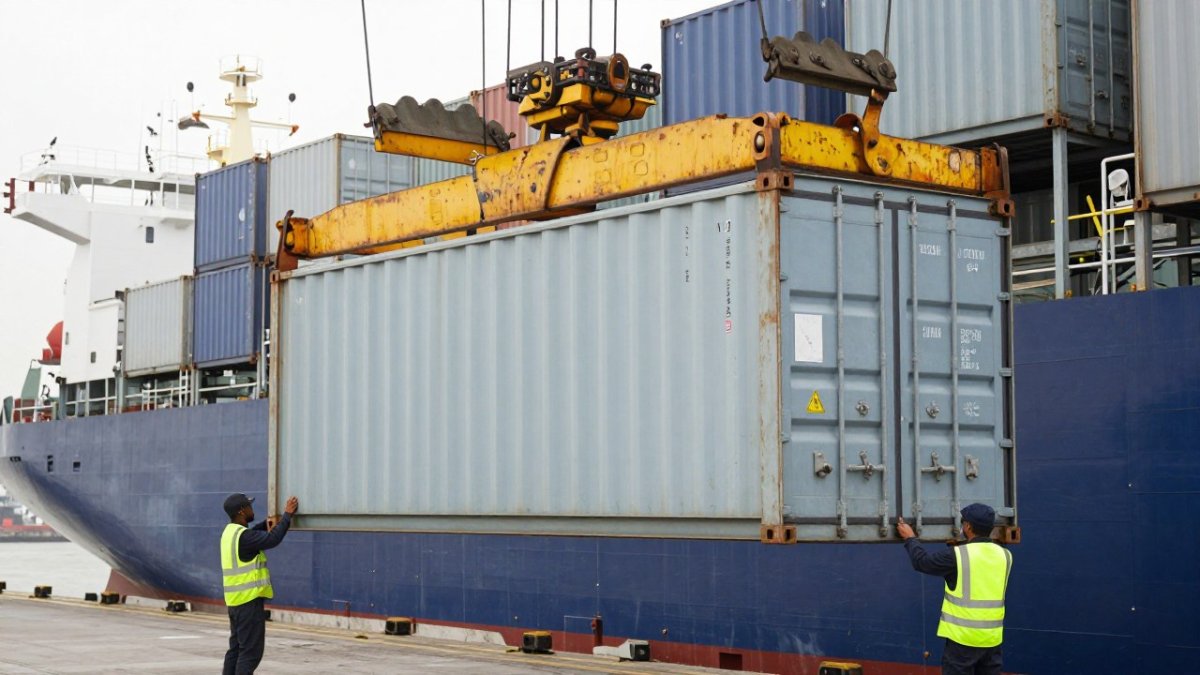
The full landed cost stack
The headline ocean rate is only one layer of what you actually pay. A realistic budget adds origin handling, export documentation, terminal handling at both ends, customs clearance and duties, insurance, and inland delivery.
Chargeable weight and volume
Carriers bill on whichever is greater: actual weight or volume. A cubic meter of light cargo can cost more than a heavy pallet of the same size. This is why a freight calculator asks for dimensions, not just kilograms. For a full breakdown of LCL and FCL cost components, use the LCL FCL Ocean Freight Shipping Cost page and its online shipping rate calculator. For LCL, the industry convention is one cubic meter or 1,000 kilograms, whichever produces the higher charge, so a shipment of light furniture is priced on space while a shipment of dense machinery is priced on weight.
Route, season, and capacity
Lane, sailing date, and vessel space all move the number. Peak season tightens capacity and pushes rates up. Oversupply does the opposite, which is why Freightos' 2026 ocean freight forecast flags growing global fleet capacity as a major factor likely to push container rates down rather than up.
A worked FCL estimate
Take a 40-foot container from Shanghai to Los Angeles. Suppose the base ocean freight is $3,000, origin terminal handling is $250, destination terminal handling is $350, customs clearance and documentation run $200, and inland drayage to a warehouse is $600. Add marine insurance at roughly 0.5% of cargo value on a $50,000 shipment, or $250. The all-in figure lands near $4,650 before duties. Change the lane to a thinner route or add peak-season surcharges and the same box can climb past $5,500.
A worked LCL estimate
For LCL, pricing is based on volume. Once you cross roughly half a 40-foot container, FCL usually beats LCL on total cost.
Watch out: a quote that shows only the ocean line hides the terminal, customs, and delivery charges that decide your real budget, so always ask for the itemized landed breakdown before you compare totals.
How to Get a Real Sea Freight Calculator Free of Registration
A real sea freight calculator free of registration gives you a working rate in seconds without a sales call. Freight-Calculator.com returns international rates in under 30 seconds with no account required, and you can calculate instant FCL ocean freight rates for 20-foot and 40-foot containers before you ever speak to anyone.
Here is how to get a usable number:
- Enter origin port and destination port
- Select container size or LCL volume
- Add cargo weight and dimensions
- Choose your target sailing date
- Review the itemized breakdown, not just the total
Watch out: a quote with one lump-sum figure and no expiration date is not a quote. It is an estimate someone will revise later.
Understanding Sea Freight Shipping Cost per Kg
Sea freight shipping cost per kg is a derived figure, not a rate carriers publish. Ocean pricing is per container or per cubic meter, so cost per kilogram only becomes meaningful once you divide total charges by cargo weight. Light, bulky goods show a high cost per kg because volume drives the bill; dense cargo shows a low one. If you are converting cargo into billable units, check 20 and 40 foot container dimensions first so your weight and volume figures are accurate.
Using a Container Shipping Cost Calculator for FCL and LCL
A container shipping cost calculator handles two very different pricing models. FCL prices the whole box: you pay for 20 or 40 feet whether you fill it or not. LCL prices your share of a shared container by volume, plus consolidation and deconsolidation fees. Under 15 cubic meters, LCL is often the better fit for smaller volumes. If you are still deciding, compare LCL and FCL shipping before you run the numbers.
| Factor | FCL | LCL |
|---|---|---|
| Billing basis | Per container | Per cubic meter |
| Best for | 15+ CBM | Under 15 CBM |
| Handling | Sealed door to door | Consolidated with other cargo |
| Transit time | Faster, direct sailings | Longer, via consolidation hub |
| Damage risk | Lower | Higher, more handling |
Reading an Ocean Freight Rates Chart
An ocean freight rates chart tracks rate movement over time on a specific lane, and it is the fastest way to know whether today's quote is high or normal. The Drewry World Container Index stood at $4,389 per 40-foot container in early November 2026, down 1% week over week (Drewry World Container Index). Read the chart for trend direction, not for your exact price. Your lane, equipment, and sailing date will differ from the index composite.
How to Compare Sea Freight Quotes Apples to Apples
Comparing sea freight quotes apples to apples means matching scope before matching price. Two quotes that look $400 apart often differ by a terminal fee, a chassis charge, or a customs line. The OECD's 2025 study on container shipping costs and import prices shows how completely those cost layers pass through to the final landed figure.
Start by normalizing every quote to the same Incoterm. A quote written on FOB terms excludes the main ocean leg, while a CIF or DAP quote bundles it in, so the two totals are not comparable until you add or strip the missing services. Ask each forwarder to state the Incoterm in writing and to confirm which party pays origin handling, export clearance, and destination delivery.
Next, separate the base ocean freight from every accessorial. A common pattern is a low headline rate paired with a high destination terminal handling charge, a chassis fee, or a documentation fee that the other quote folds into the base. Build a simple side-by-side grid with one row per charge and one column per quote, then total the columns. The lowest total after normalization is the real comparison, not the lowest headline.
Check free time and validity next. Demurrage and detention free days vary by carrier and port, and a quote with three free days can cost far more than one with seven if your cargo is inspected or delayed. Confirm the quote's expiration date and currency, because ocean rates move weekly and a stale quote will be revised at booking.
Use this reconciliation list on every quote:
- Base ocean freight, stated separately
- All surcharges named individually, including fuel and peak season
- Origin and destination terminal handling
- Customs clearance and documentation fees
- Inland drayage and delivery included or excluded
- Quote validity date and currency
- Demurrage and detention free time
- Incoterm and named place
Watch out: a quote that bundles everything into one number without an expiration date cannot be reconciled against a competitor, and it will almost always be revised upward before the container sails.
For a fuller walkthrough of the cost layers, understand international shipping costs before you sign anything.
Get an Instant Sea Freight Shipping Cost Estimate
Getting a sea freight shipping cost estimate takes under a minute when the tool asks the right questions. Freight-Calculator.com is a licensed and bonded NVOCC and TSA-approved forwarder. Our platform shows landed cost components in one view, and your shipment data is never sold or shared with competitors.
Frequently Asked Questions
What factors affect ocean freight rates the most?
Volume, weight, route, season, and capacity drive ocean freight rates. Carriers bill on whichever is greater, actual weight or volume. Peak season and fuel surcharges add to base freight, and overcapacity can push rates down. A sea freight calculator helps you see how each factor changes your quote.
Is sea freight cheaper than air freight?
Sea freight is generally cheaper per kilogram than air freight, especially for heavy or bulky cargo. Air freight costs more but delivers faster. For small, urgent shipments, air may be worth the premium. For full container loads, ocean freight offers the lowest cost per unit. Compare both options based on your delivery deadline and budget.
What fees are included in a sea freight quote?
A sea freight quote typically includes base freight, surcharges (fuel, peak season, security), and handling fees. It may exclude customs clearance, duties, and documentation. Ask for an itemized quote to see what is covered. A transparent calculator shows landed cost components in one view.
How long does sea freight shipping take?
Transit times vary by route and service. From Asia to the U.S. West Coast, transit can take 14-30 days; to the East Coast, 25-40 days. Add time for customs clearance and inland delivery. Check sailing schedules and port congestion when planning. A freight calculator can show estimated transit times for your route.
The difference between a quote that holds and one that balloons at delivery comes down to scope. Get started with Freight-Calculator.com and see every cost component, from base freight to terminal handling, before you book.