 ultimate-guide
Professional Ocean Freight Logistics Solutions: 2026 Guide
Table of Contents
- What Professional Ocean Freight Logistics Solutions Include
- FCL vs LCL Shipping Guide: Which Service Fits Your Business
- Ocean Freight Shipping Rates Calculator: Understanding Your Costs
- How to Choose a Freight Forwarder for E-Commerce
- Ocean Freight Transit Times and Schedule Reliability
- Risk Mitigation, Compliance, and Real-Time Visibility
- Why Professional Ocean Freight Solutions Matter in 2026
Last Updated: August 25, 2026
What Professional Ocean Freight Logistics Solutions Include
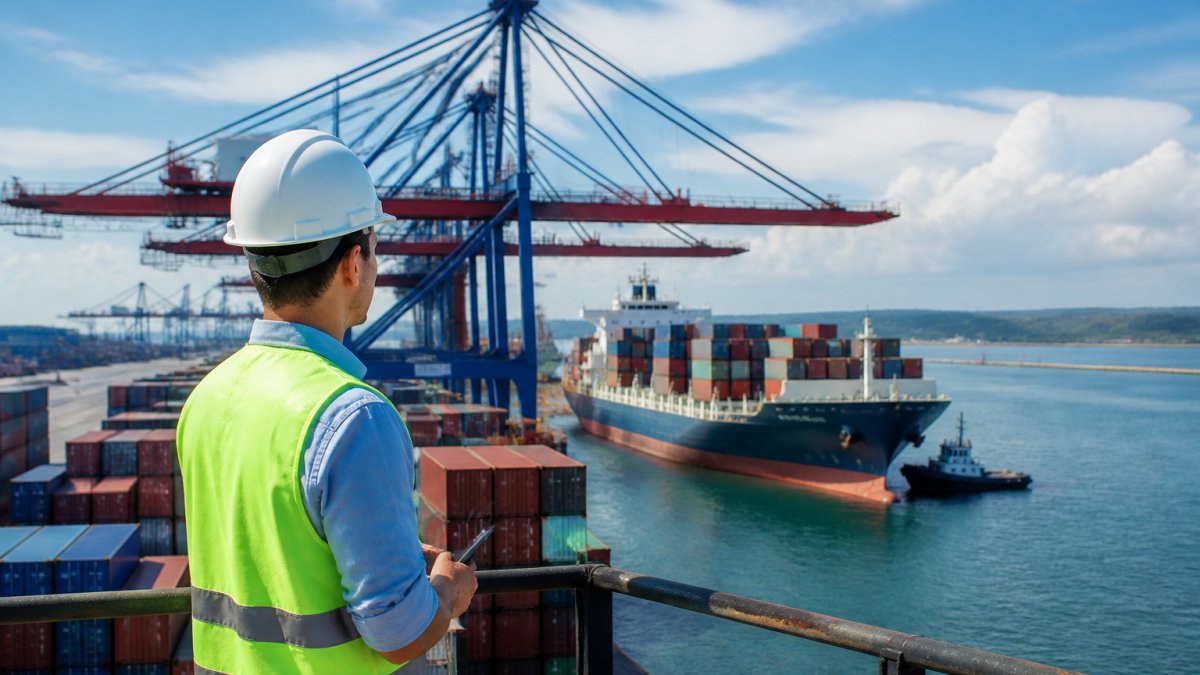
Professional ocean freight logistics solutions manage the entire journey of cargo from origin to destination across international waters, combining freight forwarding, customs compliance, real-time tracking, and supply chain coordination into a unified system.
Companies using professional ocean freight logistics solutions can reduce transit delays and cut logistics errors compared to those managing shipments ad-hoc. The ocean freight forwarding market in the U.S. is projected to expand from $67.45 billion in 2026 to $82.34 billion by 2031, growing at a compound annual growth rate of 4.07% (mordorintelligence.com).
A true ocean freight logistics solution orchestrates inland pickup, port handling, ocean transit, customs clearance, and final-mile delivery while providing visibility at every stage and anticipating problems before they become delays. Core components include full-container-load (FCL) and less-than-container-load (LCL) services, customs brokerage and compliance management, door-to-door logistics coordination, real-time shipment tracking with condition monitoring, and consolidated freight handling. Professional solutions allow you to compare multiple routes and sailing schedules instantly and see the complete landed cost before committing.
FCL vs LCL Shipping Guide: Which Service Fits Your Business
Full-container-load (FCL) and less-than-container-load (LCL) services represent fundamentally different economics. FCL means renting an entire container (20-foot or 40-foot), paying for the full container whether you fill it or not. LCL means your cargo shares container space with other shippers' goods, and you pay only for the cubic meters (CBM) you use. FCL services accounted for 73.11% of revenue in the U.S. sea freight forwarding market in 2025, but LCL is expanding rapidly at 6.79% annually through 2031 (psmarketresearch.com).
A typical 20-foot container holds roughly 25-28 cubic meters of general cargo; a 40-foot holds 55-58 cubic meters. If you're shipping fewer than 15 CBM per month, LCL usually wins on cost. If you're consistently above 20 CBM, FCL becomes cheaper per unit volume and offers faster transit times because the container moves directly from origin to destination without consolidation stops.
| Shipping Type | Best For | Transit Time | Cost Structure | Ideal Volume |
|---|---|---|---|---|
| FCL | Consistent high-volume shippers | Fixed, predictable | Per-container rate | 20+ CBM regularly |
| LCL | E-commerce, seasonal peaks | Variable (5-7 days longer) | Per-CBM rate | Under 20 CBM |
FCL offers predictability and no risk of delays from other shippers, but introduces detention and demurrage charges exceeding $500 per day if containers sit at ports. LCL saves money but introduces scheduling variability since your shipment departs when the consolidator has enough volume. With LCL, the consolidator absorbs most demurrage risk.
Ocean Freight Shipping Rates Calculator: Understanding Your Costs
Ocean freight rates are volatile, driven by capacity, fuel costs, geopolitical events, and seasonal demand. The base rate depends on origin port, destination port, and shipping lane. As of June 2026, spot rates on the Far East-U.S. West Coast lane were $4,258 per 40-foot equivalent unit (FEU), while Far East-U.S. East Coast rates hit $5,462 per FEU, a 28% premium for the longer inland routing (freightwaves.com).
The base rate is only part of the story. Fuel surcharges, peak season surcharges (typically April-September), port congestion fees, and handling charges add layers on top. A shipment that looked cheap on the base rate can balloon 40-60% higher once all surcharges are applied. Professional ocean freight logistics solutions show you the complete landed cost breakdown including inland pickup, port handling, customs brokerage, drayage, and applicable surcharges.
Ocean freight spot rates have surged over 400% in mid-2026 despite cargo volumes from China to the U.S. being down roughly 1%. The top 10 ocean container lines control approximately 90% of global container shipping capacity and are exempt from U.S. antitrust law, allowing them to coordinate sailing schedules and manage capacity strategically. When they pull capacity through blank sailings or slow steaming, rates spike regardless of actual demand.
A rate calculator that pulls live, real-time pricing from multiple carriers and consolidators gives you negotiating power. You can see which routes have competitive pricing and which ones are capacity-constrained, lock rates before peak season, and make decisions with complete information.
How to Choose a Freight Forwarder for E-Commerce
Choosing a freight forwarder is a consequential logistics decision an e-commerce business makes.

Start with licensing and bonding. A legitimate freight forwarder must be licensed as a Non-Vessel Operating Common Carrier (NVOCC) by the Federal Maritime Commission and bonded. Verify this status on the FMC website before engaging anyone.
Second, test their transparency on pricing. Do they show rates without requiring registration? Do they break down all cost components or hide fees until you're committed? Professional operators show the complete landed cost upfront because transparency builds trust.
Third, evaluate their technology infrastructure. Can they provide real-time tracking with actual container location data? Do they have API or integration capability for e-commerce platforms? Can they handle documentation digitally? The difference between a forwarder that integrates with your systems and one requiring manual data entry is hours per week in operational overhead.
Fourth, assess their carrier relationships and backup capacity. Ask directly: if your preferred carrier has a blank sailing, what's your contingency? Professional forwarders maintain relationships with multiple carriers specifically to reroute shipments without delays.
Finally, check their track record on on-time performance and error rates. Ask for references from similar businesses. Ask specifically about detention and demurrage charges and customs delays. A good forwarder prevents these issues; a mediocre one reacts after the fact.
Ocean Freight Transit Times and Schedule Reliability
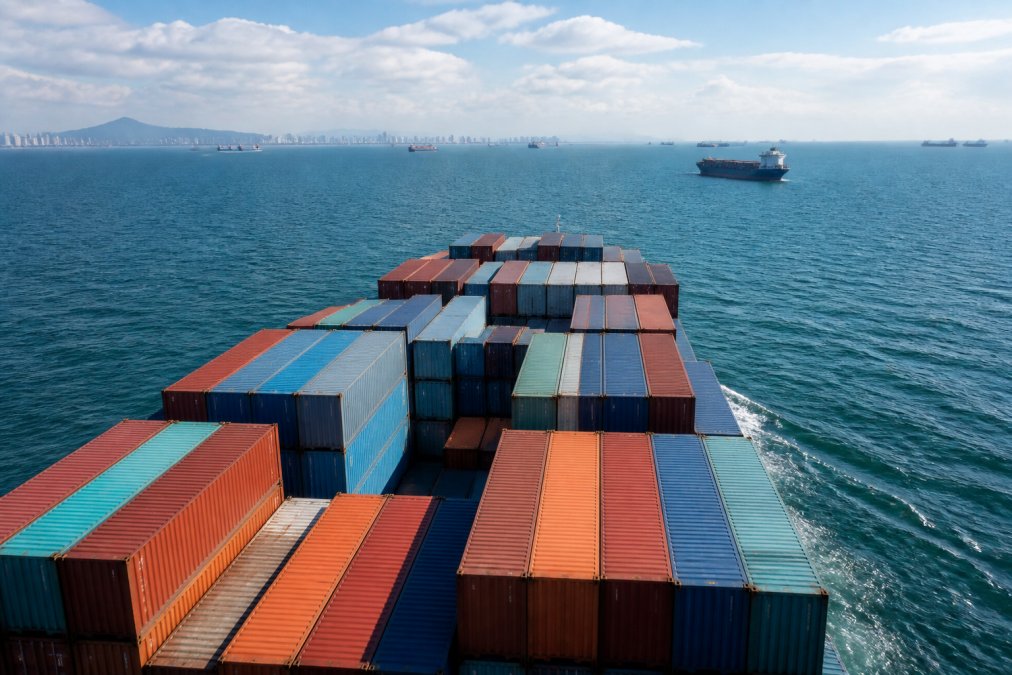
Transit time is a variable that can impact e-commerce margins. A shipment taking 30 days instead of 25 can affect working capital, inventory carrying costs, and stockout risk. Transit time depends on the entire supply chain reliability, not just the ocean crossing.
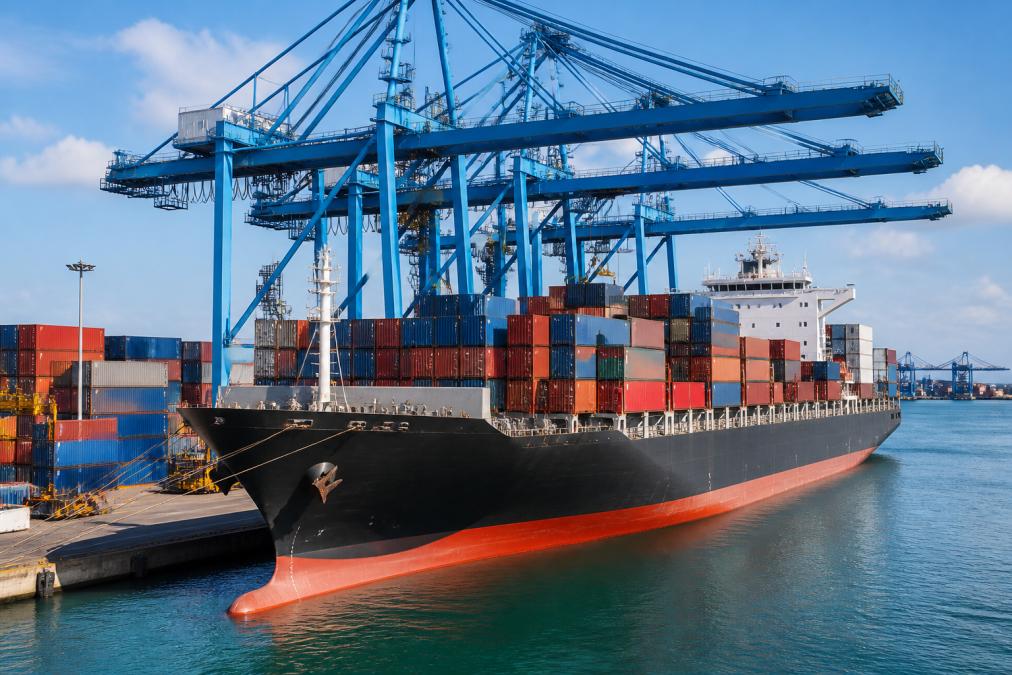
Shanghai to Los Angeles typically runs 12-15 days. Shanghai to New York typically runs 25-30 days. However, schedule unreliability remains a significant challenge in 2026. Global shipping networks face persistent pressures from geopolitical instability, infrastructure constraints, blank sailings, and route diversions.
Red Sea disruptions illustrate this. Most carriers are routing around the Cape of Good Hope in 2026, adding 10-14 days and $800-$1,500 per container in extra costs on Asia-Europe and Asia-U.S. East Coast lanes. A shipment that should arrive in 28 days now takes 40+.
Professional ocean freight logistics solutions actively monitor schedule reliability, anticipate delays, and communicate them before your cargo is affected. They maintain backup routing options and consolidate shipments strategically to hit faster-moving sailings when carriers announce blank sailings. Shippers can pay substantial premiums for superior ocean transit-time service and cut logistics costs. Predictable 28-day transit beats unpredictable 24-day transit because operations can plan around certainty.
Risk Mitigation, Compliance, and Real-Time Visibility
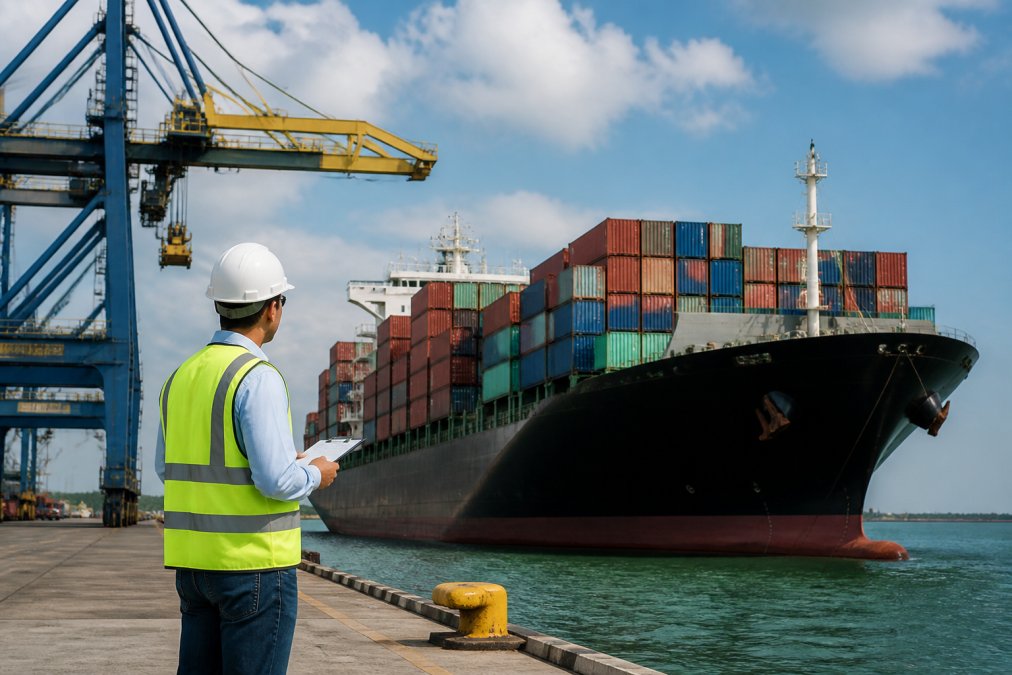
Ocean freight involves multiple handoffs across borders, jurisdictions, and regulatory frameworks. Each handoff introduces risk: cargo damage, theft, regulatory delays, or documentation errors. Professional ocean freight logistics solutions manage these risks systematically.
Real-time visibility is foundational. You should know your container's location, condition (temperature, humidity if applicable), and expected arrival within hours of shipment. When a container is delayed or diverted, you need immediate notification to adjust inventory plans or reroute the shipment.
Compliance requires precise documentation: commercial invoices, bills of lading, certificates of origin, and advanced electronic data. A single error, misclassified HS code, missing signature, incorrect value declaration, triggers customs holds costing $2,000-$5,000 per day in demurrage and penalties. Professional forwarders maintain compliance expertise in-house and handle this complexity.
Standard carrier liability is capped at roughly $2.75 per kilogram, covering almost nothing for high-value shipments. Professional ocean freight logistics solutions offer cargo insurance covering full replacement value at 1-3% of cargo value.
The global ocean freight industry loses an estimated $12.9 billion annually to detention and demurrage charges, with the vast majority avoidable. Professional forwarders minimize these charges through port coordination, pre-clearance processes, and strategic drayage routing.
Why Professional Ocean Freight Solutions Matter in 2026
The ocean freight market in 2026 is characterized by controlled volatility, capacity constraints, and geopolitical uncertainty. Spot rates remain elevated due to Red Sea disruptions, vessel rerouting, increased fuel costs, and early peak-season demand. Industry analysts expect freight rates to remain elevated, vessel space to tighten further, and schedule reliability to remain unstable through 2026.
Professional ocean freight logistics solutions aren't a luxury, they're a requirement for competitive advantage. A business that can lock rates before peak season, predict transit times within a 2-day window, and manage customs compliance without delays outcompetes one that reacts to each shipment as a crisis.
The U.S. shipping cargo market is projected to grow 4.1% annually through 2032, reaching $77.8 billion by 2032. Businesses investing in professional logistics solutions now will capture this growth.
Freight-Calculator.com offers instant, registration-free rate calculations backed by 35 years of logistics expertise. You compare scenarios in seconds, see landed costs before committing, and maintain data privacy while getting professional-grade logistics coordination.
Professional ocean freight logistics solutions solve a fundamental problem: international shipping is complex, rates are volatile, and one wrong decision cascades through your entire supply chain. If you're shipping more than a handful of containers annually, you need professional ocean freight logistics solutions. Freight-Calculator.com provides instant, transparent rate calculations and comprehensive shipment coordination without registration, sales pressure, or hidden fees. Get a quote in under 30 seconds and see your complete landed cost before you commit.
=== FAQ ANSWERS (audit these too, same rules) ===
[1] Q: What is the difference between FCL and LCL shipping? A: Full Container Load (FCL) means you rent an entire container (20-foot or 40-foot) for your cargo alone, while Less than Container Load (LCL) lets you share container space with other shippers. FCL works best for larger volumes and offers better per-unit pricing; LCL suits smaller shipments under 15 cubic meters. FCL accounted for 73.11% of revenue in the U.S. sea freight forwarding market in 2025, while LCL is projected to expand at 6.79% CAGR through 2031.
[2] Q: How do ocean freight shipping rates calculator tools ensure accuracy? A: Professional ocean freight shipping rates calculator tools pull real-time data from carrier schedules, port fees, fuel surcharges, and current market conditions. Accuracy depends on inputting correct weight, volume (CBM), origin, destination, and cargo type. Tools that integrate historical pricing data and account for seasonal demand deliver accurate quotes. Always verify weight and dimensions before booking to avoid rate adjustments.
[3] Q: What should I look for when choosing a freight forwarder for e-commerce? A: Select a freight forwarder that offers instant rate transparency without requiring registration, handles both FCL and LCL shipments, provides real-time cargo tracking, and maintains licensed credentials (NVOCC, customs broker, TSA approval). Verify they don't sell your data to competitors and can handle your typical shipment size. Check their track record on on-time delivery and whether they offer door-to-door coordination including customs clearance.
[4] Q: Why do ocean freight transit times vary so much in 2026? A: Transit times fluctuate due to Red Sea disruptions (adding 10-14 days and $800-$1,500 per container on Asia-US routes), blank sailings by carriers managing capacity, port congestion, and geopolitical uncertainty. Schedule reliability remains unstable across major trade lanes. Professional logistics solutions mitigate this by locking space with multiple carriers, using NVOCC backup options, and providing real-time updates so you can adjust inventory planning accordingly.
Frequently Asked Questions
Q: What is the difference between FCL and LCL shipping?
A: Full Container Load (FCL) means you rent an entire container (20-foot or 40-foot) for your cargo alone, while Less than Container Load (LCL) lets you share container space with other shippers. FCL works best for larger volumes and offers better per-unit pricing; LCL suits smaller shipments under 15 cubic meters. FCL accounted for 73.11% of revenue in the U.S. sea freight forwarding market in 2025, while LCL is projected to expand at 6.79% CAGR through 2031.
Q: How do ocean freight shipping rates calculator tools ensure accuracy?
A: Professional ocean freight shipping rates calculator tools pull real-time data from carrier schedules, port fees, fuel surcharges, and current market conditions. Accuracy depends on inputting correct weight, volume (CBM), origin, destination, and cargo type. Tools that integrate historical pricing data and account for seasonal demand deliver accurate quotes. Always verify weight and dimensions before booking to avoid rate adjustments.
Q: What should I look for when choosing a freight forwarder for e-commerce?
A: Select a freight forwarder that offers instant rate transparency without requiring registration, handles both FCL and LCL shipments, provides real-time cargo tracking, and maintains licensed credentials (NVOCC, customs broker, TSA approval). Verify they don't sell your data to competitors and can handle your typical shipment size. Check their track record on on-time delivery and whether they offer door-to-door coordination including customs clearance.
Q: Why do ocean freight transit times vary so much in 2026?
A: Transit times fluctuate due to Red Sea disruptions (adding 10-14 days and $800-$1,500 per container on Asia-US routes), blank sailings by carriers managing capacity, port congestion, and geopolitical uncertainty. Schedule reliability remains unstable across major trade lanes. Professional logistics solutions mitigate this by locking space with multiple carriers, using NVOCC backup options, and providing real-time updates so you can adjust inventory planning accordingly.
This article was written using GrandRanker